Let's put the conclusion first:
Developing suppliers is no easier than developing customers. Especially finding “reliable suppliers” requires both effort and luck.
Many people think that finding suppliers is simple: just go online to a B2B platform, find a factory, make a contact, get a quote, and get a sample.
The reality is that salespeople who do this will eventually be taught a lesson by suppliers, and may even suffer significant losses.
I'm Kevin.Kan, and I've been working as a foreign trade sourcing agent since 2014. Today, I'll talk about how I find suppliers.
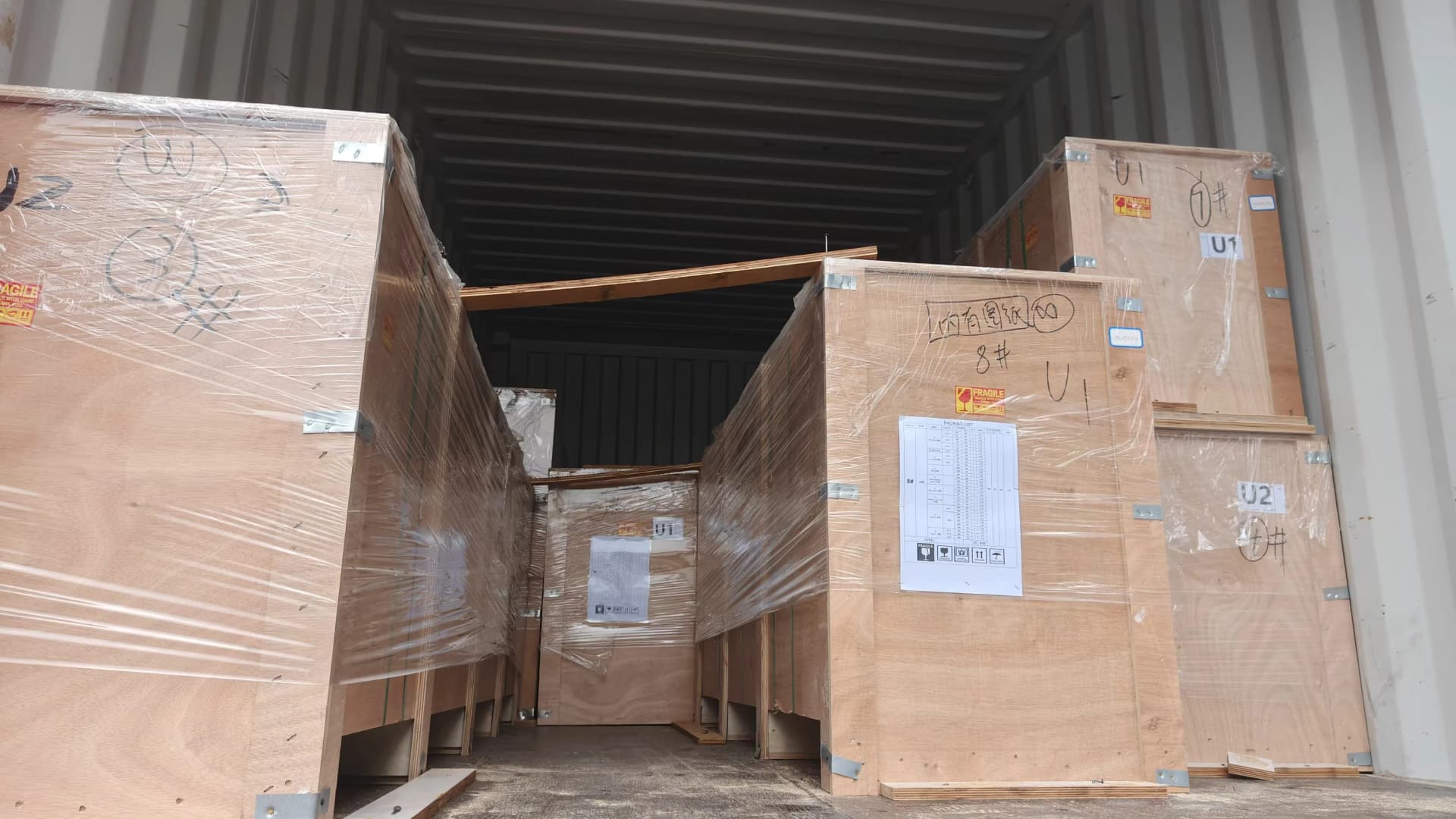
The specific steps for finding a supplier
Step 1: Interact with multiple identities and observe the background color.
When I'm looking for suppliers, I use my Chinese identity plus two foreign identities to inquire about the same factory.
This works very well because you can see things clearly directly.
If you find a factory that treats Chinese people with indifference but treats foreigners with utmost respect; that quotes exorbitant prices to Chinese people but very reasonable prices to foreigners.
You don't need to waste your time on him.
Even if you do business with him this time, he will try to steal your customers one day.
You'll never know someone's true nature until you try.
Only suppliers who are consistent in their attitude, pricing, and responses will be able to proceed to the next round.
Step 2: Engage in deeper contact to assess the other party's professionalism and cooperation.
After the first round of elimination, I will have in-depth discussions with the remaining participants and purchase samples. From this process, we can observe at least five key points:
- How skilled is the salesperson?
- Does the factory have a system in place?
- Whether the factory is cooperative or not, and whether they are willing to cooperate with you.
- Is it a real factory or a trading company?
- Is there a persistent problem of “saying there's no problem even when there is one”?
Then I will select 3–5 companies to send samples to.
Yes, you read that right, it's three to five companies, not just one.
Why?
Only through comparison can we know who is stable, who is compliant, and who is the most reliable.
Step 3: Samples received, further review.
Most salespeople will consider placing an order once they find the sample to be of good quality.
After receiving the samples, I will test them myself and also have the customer test them. At the same time, I will ask a lot of detailed questions to observe the supplier's response speed and attitude.
This stage reveals a supplier's true strength; their after-sales service, professionalism, and mindset are all on full display.
Step 4: Trial Order Phase, the Real “Verification of Identity”
It's not surprising that the samples are well made, because the factory only makes one or two.
The bulk of the shipment is what truly speaks volumes.
Therefore, I will choose 1-2 companies to try out, focusing on two key points:
- Can the bulk shipment maintain stability (quality control)?
- Suppliers' attitude towards small orders (cooperative mindset)
How much he cares about your small orders is likely a reflection of his true attitude towards your future large orders.
This step reveals that:
- Does he have confidence in you?
- Does he intend to do this long-term?
- Will he disappear immediately if he encounters a risk?
Ultimately, we will select a long-term partner, plus several backup options with similar capabilities.
Choosing a backup option doesn't mean you don't trust existing suppliers; it's based on realistic considerations.
People change, bosses change, cash flow dries up, raw material prices rise, factories relocate, some people suddenly start side businesses and run away, policies change overnight...
Factories that you think will never have problems are often very fragile in the face of reality.
I've gotten to where I am today because I've never treated the supply chain as a static dependency, but rather as a dynamic game.
Why is developing suppliers just as important as developing customers?
Even the best customers can be ruined if there are no good suppliers.
Many foreign trade salespersons have common problems; they focus solely on the customer and completely ignore the supply chain. They also think there are plenty of factories to choose from.
The reality is that developing customers is difficult, but developing suppliers is even more difficult.
All the hard work you put into acquiring a top client can be wiped out by a single quality incident by the supplier.
You work hard for half a year to secure a big order, but the supplier's single sentence, “Raw material prices have increased,” can make you lose so much money that you want to change careers.
The underlying structure of foreign trade is not from salesperson to customer, but rather: Supply chain ← Salesperson → Customer
The three suppliers willing to cooperate with you?
The real reason suppliers cooperate with you is because they are attracted by your current and future value.
The supplier is willing to cooperate with you simply because he believes:
- You can bring him orders.
- You can help him level up.
- You are the entry point to the channel.
- There is growth behind you.
- You're not here to haggle; you're here to build a long-term relationship.
- You are the person who can help him get into the big client system.
Conversely, if he thinks you have no future, he won't even bother making a sample.
Ultimately, foreign trade boils down to both securing customers and maintaining a stable supply chain.
Without a supply chain, no matter how skilled you are at developing customers, you're like a skilled cook without ingredients.
There is a complete methodology for developing suppliers.
You need to be hardworking, professional, have good communication skills, as well as knowledge of psychology and game theory, and a little bit of luck, otherwise you won't even make it to the second round.
But once you get this system up and running, you'll understand that the real certainty in foreign trade lies not in the customers, but in the supply chain.